

RIA Valuations in 2026: How to Maximize Your Sale Price in a Cooling Market

FINRA Panel Expunges Erroneous Unsuitability Claim For Veteran Michigan Financial Advisor
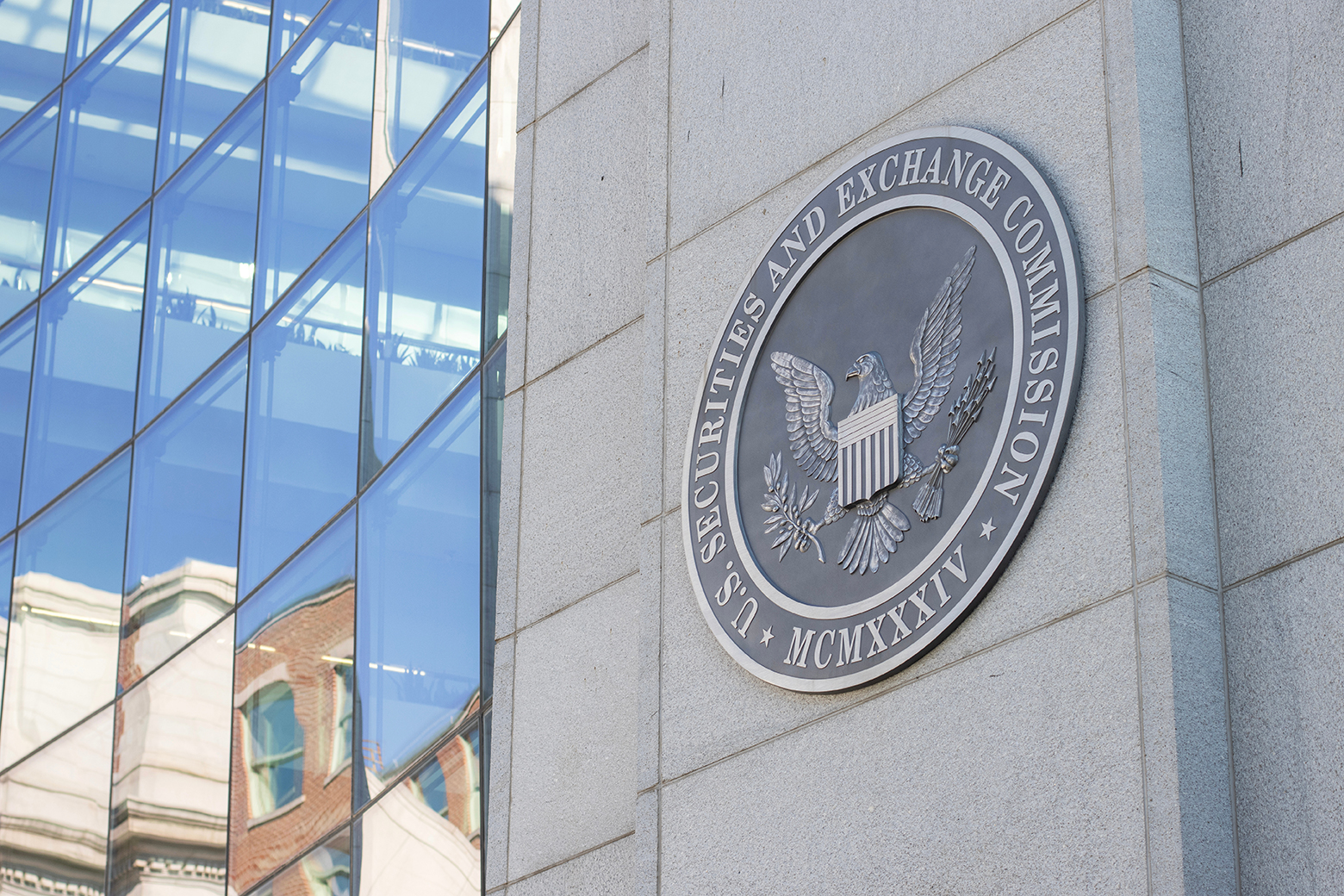
SEC Exam Priorities for Q4 2026: Reg S-P, Alt Investments & AI

Should financial advisors resign while under investigation? (What Actually Happens)

The SEC’s New Digital Asset Framework: What RIAs Should Be Thinking About
After four years of record-high acquisition multiples, the RIA M&A market is entering a new phase. According to DeVoe & Company's Q2 2026 RIA Deal Book, 82% of the industry's most active buyers now expect valuations to hold steady over the next six months, 18% expect them to decline, and none expect further gains. For firm owners, the strategy has to shift from riding market momentum to actively defending enterprise value — and from what we see across AdvisorLaw's own M&A practice, the sellers who do that well still command strong outcomes, even in a cooling market.
Key Takeaways for RIA Owners
- Valuations Have Plateaued: 82% of surveyed consolidators expect flat valuations through the second half of 2026, and 18% expect declines — a sharp reversal from 2025, when 8% still expected valuations to rise (DeVoe & Company, Q2 2026).
- The Expectation Gap Is Widening: 73% of consolidators say the gap between what sellers expect and what buyers are willing to pay is getting wider, versus just 9% who see it narrowing (DeVoe & Company, Q2 2026).
- Consolidator Preference Isn't the Whole Market: 46% of consolidators name $1B–$5B AUM firms as their top target, and none name sub-$500M firms as a primary target — but firms under $500M still accounted for roughly 36% of all RIA transactions in Q2 2026. Demand for smaller practices hasn't disappeared; it's just less concentrated among the handful of buyers chasing headline deals.
- Compliance Directly Shapes Deal Economics: Regulatory red flags discovered in diligence don't just put a deal at risk — they routinely show up as added escrow, purchase-price adjustments, or reduced cash at closing.
1. Bridging the Growing Valuation Disconnect
The headline multiples north of 20x that dominate industry coverage are increasingly concentrated among mega-RIAs — typically firms with $10B or more in AUM and standout organic growth, per DeVoe & Company. For most of the market, anchoring negotiations to those historical peaks creates unnecessary friction at the table. DeVoe's own analysts point to this exact dynamic behind the widening expectation gap: years of coverage of premium private-equity pricing have shaped seller expectations, even though those numbers rarely represent the broader market. Establishing a data-driven valuation — one that reflects your firm's actual revenue quality, client retention, and operating overhead — before going to market is the clearest way to close that gap.
2. Navigating the Upmarket Buyer Shift
While larger consolidators are increasingly prioritizing billion-dollar RIAs, smaller independent advisory practices continue to represent attractive acquisition opportunities for regional RIAs, strategic buyers, and firms seeking to expand their geographic presence. The data backs this up: even as 46% of consolidators name $1B–$5B firms as their top target, firms under $500M in AUM still accounted for roughly 42% of consolidator transactions and about 36% of all RIA deals in the second quarter of 2026, per DeVoe & Company. Demand for smaller practices hasn’t disappeared — it’s just less concentrated among the handful of buyers chasing headline deals.
3. What Actually Drives Premium RIA Valuations?
- Recurring, fee-based revenue: a book weighted toward predictable AUM-based fees is valued differently than one with heavy transactional or commission revenue.
- Client retention and demographics: long client tenure, a healthy age distribution, and low concentration in any single household all reduce a buyer’s perceived risk.
- Organic growth: buyers pay up for firms still adding new clients and assets, not just firms coasting on market appreciation.
- Operating margins: a lean, efficient cost structure signals a business a buyer can scale, not one they’ll need to rebuild.
- Custodian and platform compatibility: a book that transitions cleanly onto the buyer’s existing infrastructure is worth more than one that requires a disruptive re-platforming.
- Compliance history: a clean CRD and an audit-ready compliance program remove one of the most common sources of last-minute renegotiation.
- Transition support: a seller willing to stay engaged through the transition — introducing clients, supporting the handoff — reduces attrition risk and is worth real money to a buyer.
4. Understanding Valuation Multiples in 2026
5. Protecting Multiples Through Due Diligence Readiness
- The Deficiency: Unresolved CRD disclosure marks, unmonitored vendor risk, or Form ADV inaccuracies surfacing during diligence.
- The Fix: Pre-sale compliance scrubs, standardized client agreements, and organized audit documentation completed before competitive bidding begins.
RIA Market Reality vs. Seller Strategy
|
M&A Trend |
Market Reality |
Strategic Action for Sellers |
|---|---|---|
|
Buyer Multiples |
Valuations flattening; 0% of consolidators expect price gains (DeVoe & Company, Q2 2026) |
Establish an objective, data-driven valuation before opening talks |
|
Target Size Focus |
Consolidators favor $1B–$5B AUM firms, but sub-$500M practices still made up ~36% of Q2 2026 deals (DeVoe & Company) |
Pursue a targeted buyer process beyond the large consolidators |
|
Valuation Methodology |
Smaller books trade on revenue multiples; larger RIAs on EBITDA or blended methodologies |
Understand which methodology applies to your firm before negotiating |
|
Due Diligence |
Compliance issues can trigger escrow, price adjustments, or restrictive earnouts — not just a lower headline price |
Run a proactive ADV/CRD compliance scrub before listing |
How AdvisorLaw Protects and Maximizes Your Practice Value
Considering selling your RIA in the next 12–36 months? Contact AdvisorLaw for a confidential discussion about your firm’s valuation and potential acquisition opportunities.
Frequently Asked Questions
This post is for general informational purposes and isn’t legal, financial, or valuation advice. If you’re evaluating a sale or acquisition, consult qualified counsel and a valuation professional.
Engage with our experts today!