


RIA Valuations in 2026: How to Maximize Your Sale Price in a Cooling Market
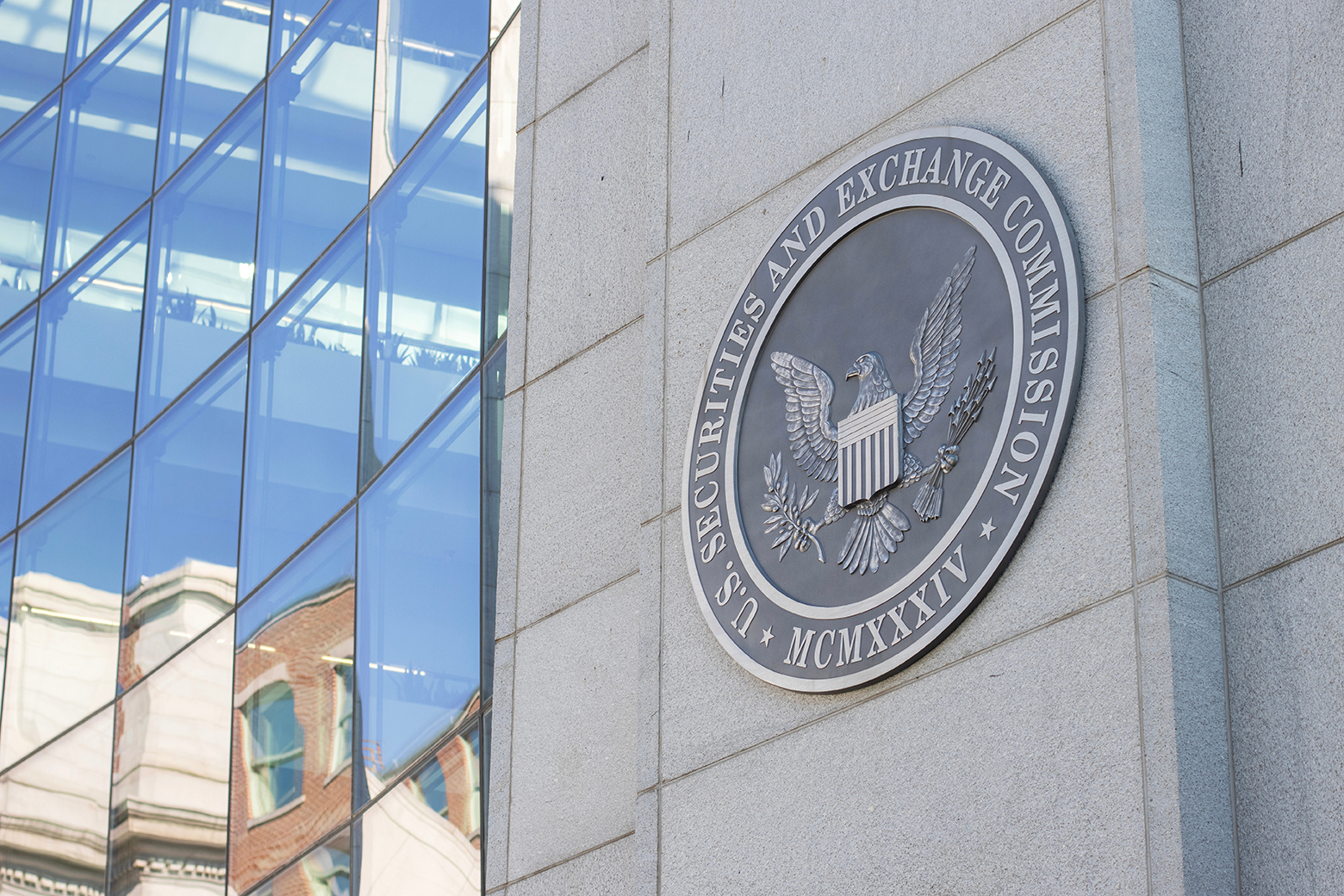
SEC Exam Priorities for Q4 2026: Reg S-P, Alt Investments & AI

Should financial advisors resign while under investigation? (What Actually Happens)

FINRA Panel Expunges Unauthorized-Trading Claim For Illinois Financial Advisor
FINRA Panel Expunges Erroneous Unsuitability Claim For Veteran Michigan Financial Advisor
Case Summary:
A three-arbitrator FINRA Panel granted expungement of a customer dispute that had appeared on a Michigan advisor’s CRD and BrokerCheck records for nearly 12 years. The customers’ 2014 arbitration, which alleged unsuitable recommendations from 1995 to 2008, was filed against Merrill Lynch alone. The advisor was not named, did not sign the settlement, and paid nothing toward the $55,000 the firm agreed to pay. The Panel found the claim factually impossible or clearly erroneous, and false.
Key Facts
- Outcome: expungement granted under FINRA Rule 2080, August 27, 2026
- Allegation: unsuitable recommendations from 1995 to 2008; $250,000 in damages sought
- Respondent firm: Merrill Lynch, Pierce, Fenner & Smith Incorporated, which settled in 2015 for $55,000 as a business decision and took no position on expungement
- The advisor was not named in the original arbitration, did not sign the settlement, and did not contribute to it
- Timeline: arbitration filed October 31, 2014; settled August 31, 2015; expungement filed October 2025; hearing August 20, 2026; award August 27, 2026 (about 10 months from filing to award)
- No customer representative appeared at the hearing
- Representation: Jennifer Cox, Esq.
What the customers alleged
On October 31, 2014, the customers commenced FINRA arbitration against Merrill Lynch alone, alleging unsuitable recommendations from 1995 to 2008 and seeking $250,000. They had never raised a formal complaint with the advisor before filing, and he was not named in the proceeding. Merrill Lynch settled on August 31, 2015, for $55,000 as a business decision. The advisor neither contributed to the settlement nor signed the agreement, yet the disclosure remained on his registration records for nearly 12 years.
The advisor’s recommendations and the customers’ accounts
The advisor entered the industry in 1994 and began working with the customers around 1995. In writing, and on more than one occasion, they confirmed an investment objective of growth and income, a moderate risk tolerance, and a 20-year time horizon. He recommended a diversified mix of investments, primarily equity mutual funds, and explained the terms, risks, fees, and trade-offs of each recommendation. From about 1995 through October 2014, he spoke with the customers regularly about their portfolio.
The portfolio declined by more than 20% during the 2008–2009 financial crisis and later recovered. By 2014, the customers’ cash withdrawals for personal needs outpaced the accounts’ remaining balances.
What the Panel found
The three-arbitrator Panel held a recorded videoconference hearing on August 20, 2026. Merrill Lynch took no position on expungement. Based on the advisor’s credible testimony, the firm’s answer in the underlying arbitration, and the settlement agreement confirming he paid nothing toward the resolution, the Panel granted expungement under FINRA Rule 2080. It found the claim factually impossible or clearly erroneous, and false. In explaining its decision, the Panel wrote that “[t]he Customers’ losses were the result of the macroeconomic collapse in 2008 and 2009.”
What Advisors Can Take From This
A settlement paid by a firm can leave a disclosure on an advisor’s record long after the matter ends. Whether the advisor was named, whether he contributed, and what the firm’s own answer said can all matter to an expungement request.
Frequently Asked Questions
Can a customer dispute be expunged if the firm settled it?
It can be. Here, the firm settled on its own as a business decision, the advisor paid nothing, and a Panel still granted expungement after finding the claim factually impossible or clearly erroneous, and false. Each case turns on its facts.
Can an old customer complaint still be expunged?
In this case, the dispute dated to 2014 and concerned recommendations from 1995 to 2008. The advisor filed in October 2025, and a Panel granted expungement in August 2026. Results depend on the facts of each case.
How long did the expungement take?
In this case, about 10 months from filing (October 2025) to award (August 27, 2026). Timelines vary.
Results depend on the facts of each case and are not a guarantee of a similar outcome. An arbitration award granting expungement generally must be confirmed by a court before FINRA removes the information from the CRD system.
Is an Old Settlement Still on Your Record?
A firm’s settlement can leave a customer dispute on your CRD and BrokerCheck records for years, even when you weren’t named or didn’t contribute. It may be worth finding out whether expungement is an option. Every case is different, and results can’t be guaranteed.
Request a private consultation with our experts.