


Decoding the SEC Cybersecurity Document Request: What Examiners Hunt For First

RIA Valuations in 2026: How to Maximize Your Sale Price in a Cooling Market
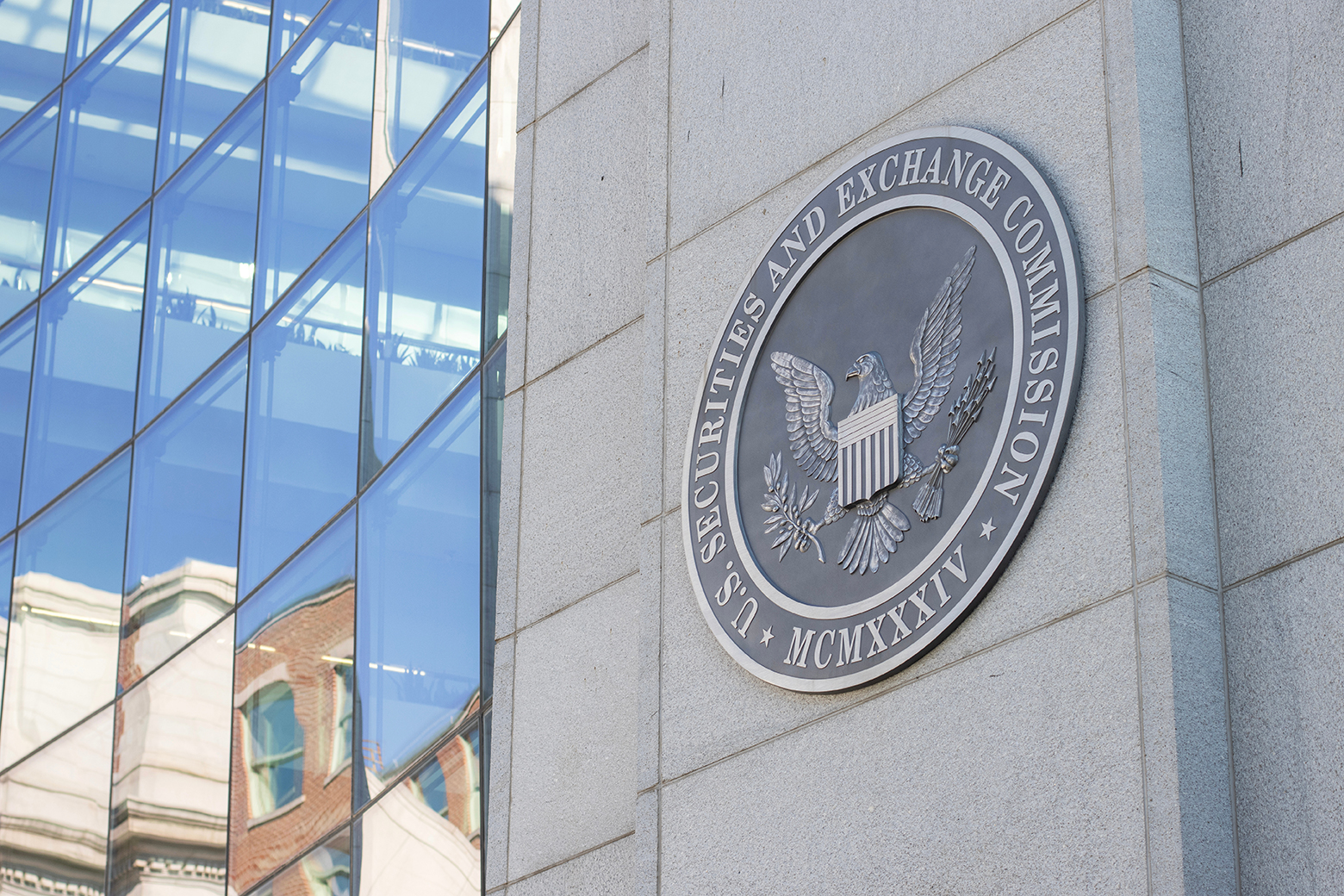
SEC Exam Priorities for Q4 2026: Reg S-P, Alt Investments & AI

Should financial advisors resign while under investigation? (What Actually Happens)

FINRA Panel Expunges Unauthorized-Trading Claim For Illinois Financial Advisor
The most expensive phrase an advisor can utter is: “I’ll deal with succession when I’m ready to retire.”
While a wait-and-see approach may feel like a prudent focus on the present, to private equity buyers and strategic acquirers, it signals instability and a lack of conviction. In today’s market, succession planning isn’t just a retirement strategy—it is the primary driver of your firm’s valuation multiplier.
1. The Key Person Risk Discount
2. The Inheritance Leak & AUM Attrition
3. The Regulatory Noise Trap
When a deal finally lands on the desk, these regulatory ghosts come to light during AI-driven due diligence. If you haven’t utilized AdvisorLaw’s defensive muscle to expunge disclosures or audit your compliance ahead of time, a buyer will use that noise as leverage to claw back your earnout or lower the upfront cash.
4. Loss Of Negotiating Leverage
How To Reclaim Your Valuation
- Reputation Scrub: Use expungement to ensure that your firm’s public record is spotless before the first LOI.
- Institutionalization: Move from a founder-centric model to a process-centric model with centralized CIO and CCO functions.
- Equity Alignment: Create clear paths for G2 talent to own a piece of the pie, ensuring that they don’t walk out the door during a transition.
The Bottom Line: Your firm’s value is determined by how well it runs without you. Don’t wait until you’re ready to leave to start building a firm that can stay.
Are you curious about your firm’s current exit readiness? AdvisorLaw helps advisors clear the regulatory hurdles and structural gaps that depress valuations. Whether it’s expunging old disclosures, or navigating the legalities of a partner buy-in, we protect your legacy.
Contact us today for a free consultation and learn how AdvisorLaw can help safeguard your practice.
Engage with our experts today!