


Oct. 07, 2026
RIA Valuations in 2026: How to Maximize Your Sale Price in a Cooling Market
Sep. 17, 2026
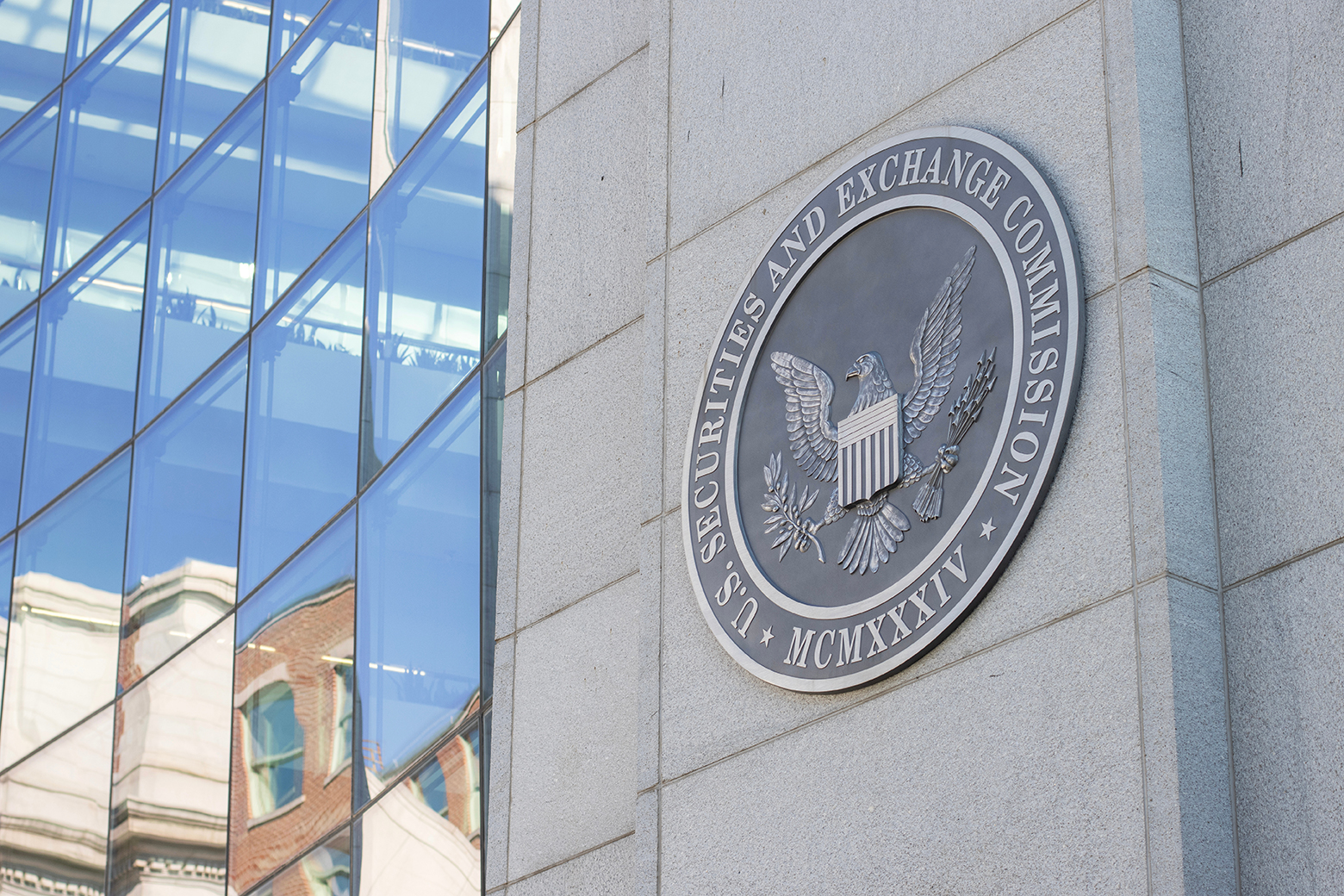
SEC Exam Priorities for Q4 2026: Reg S-P, Alt Investments & AI

Sep. 03, 2026
Should financial advisors resign while under investigation? (What Actually Happens)

Aug. 31, 2026
FINRA Panel Expunges Unauthorized-Trading Claim For Illinois Financial Advisor

Aug. 27, 2026
FINRA Panel Expunges Erroneous Unsuitability Claim For Veteran Michigan Financial Advisor
Key Facts
- Outcome: Full expungement, awarded unanimously
- Allegation: Misrepresentation in connection with a managed portfolio; $50,000 in damages sought
- Panel finding: Claim “factually impossible or clearly erroneous”
Case Objective:
A financial advisor in Portland, Oregon with more than two decades of distinguished service in the securities industry confronted a single, unfounded customer dispute alleging misrepresentation in connection with a managed investment portfolio. The 2023 claim, which sought $50,000 in compensatory damages, was devoid of merit. It had arisen exclusively from the customer’s retrospective dissatisfaction with portfolio declines precipitated by the Covid market crisis. Supported by counsel, the advisor initiated FINRA arbitration to expunge the spurious disclosure from his CRD and BrokerCheck records.
Summary:
The advisor began his career in the industry in August 2003. In August 2018, a colleague introduced the advisor to a 43-year-old technology sector professional who had sold his business in 2015 and accumulated substantial wealth, including cash-acquired rental properties and company shares valued at approximately $5 million. The investor sought Merrill’s custom managed portfolio services. The colleague lacked access to those platforms as a junior advisor and requested the advisor’s assistance in managing the relationship.
The investor had previously expressed dissatisfaction with other advisors, stating that he was suing them and his attorney and that he “was always suing someone.” The advisor and his colleague harbored reservations about the volatile prospective client, but they proceeded at his behest due to their friendship. In September 2018, the investor became a client of the advisor. A thorough investor profile revealed extensive investment experience, annual income of approximately $120,000, liquid net worth between $800,000 and $1 million, and total net worth of roughly $8 million (combined marital assets exceeding $15 million). Following detailed discussions, the advisors ascertained the investor’s objectives to be growth with moderate risk tolerance, minimal liquidity needs, and an investment time horizon exceeding ten years.
The advisors carefully explained the terms, risks, fees, advantages, and disadvantages of Merrill’s managed account programs. The investor selected and opened a model managed portfolio invested in stocks and exchange-traded funds. He completed and signed all subscription and disclosure documents, received and reviewed the offering materials, and provided written affirmation of his understanding. No performance guarantees were made. The portfolio was co-managed by the advisor and Merrill’s chief investment officer, with regular communications continuing through March 2020.
In late 2018, amid a trade war with China, rising interest rates, policy uncertainty, and government shutdown concerns, the equity markets suffered their worst December since the Great Depression. The investor’s portfolio declined 5.65% in value, and he expressed no concern. On January 19, 2019, he separately confirmed his satisfaction with the fees and advice. However, the investor struggled with depression and alcoholism, and his friendship with the colleague waned. In March 2020, during a discussion of Covid’s economic impact, the investor angrily berated the advisors. The advisor thereafter refused further direct contact. The investor never mentioned his intent to lodge a formal complaint.
Instead, the investor berated Merrill’s compliance team and demanded $50,000 in compensation for perceived losses—a demand the firm rejected. Managers repeatedly encouraged him to transfer his portfolio elsewhere. In a separate matter, the investor enlisted the colleague’s wife to sell a property and then subjected her to repeated sexual harassment via text. She completed the transaction and cut off contact. The colleague eventually left the industry.
On December 8, 2023, a customer dispute was reported on the advisor’s registration records alleging “Misrepresentation” and seeking $50,000. Following a thorough investigation, Merrill denied the claim as lacking merit. The investor never pursued the claim in arbitration or court.
The allegation of misrepresentation allegation was factually impossible and clearly erroneous. The advisor had thoroughly explained the investments, provided comprehensive written materials that the investor had reviewed and acknowledged, and obtained his informed authorization. The dispute arose not from any advisor misconduct but from the investor’s dissatisfaction with market losses caused by the exogenous Covid crisis. This isolated, groundless disclosure marred an otherwise unblemished regulatory record and provided no investor protection.
Resolution:
The advisor filed his statement of claim seeking expungement around October 2025. Merrill filed a statement of answer in January 2026, taking no position on expungement. The investor was duly served but did not appear at the hearing. A three-arbitrator Panel of public arbitrators conducted a recorded videoconference hearing in May 2026, at the Portland, Oregon hearing site. Merrill appeared and did not oppose the request.
After considering the pleadings, the advisor’s credible testimony, and the record, the Panel unanimously awarded expungement of all references to the claim from the advisor’s records. The Panel made the affirmative finding that “the claim, allegation, or information is factually impossible or clearly erroneous.” The Panel explained: “The underlying customer's unsupported written allegations of misrepresentation were thoroughly refuted by the credible testimony of [the advisor; t]he Panel concluded those allegations were untrue[; t]he Panel relied on the credible testimony of [the advisor], an earlier letter from [Merrill] to the Customer, which did not elicit a response from the Customer, and the fact the Customer did not participate in the hearing nor did he produce any documentation or supporting information to confirm his complaint.”
The Panel noted that no prior panel or court had ruled on expungement of this occurrence and that the dispute had not been settled. This ruling removes the false allegation from the advisor’s public record, vindicating his professional conduct and ensuring that his CRD accurately reflects his exemplary career of service to clients.
Contact AdvisorLaw
Facing a similar situation? Contact our team today for a complimentary consultation to evaluate your case. Our experts will assess the viability of expungement and guide you through the process.