

Decoding the SEC Cybersecurity Document Request: What Examiners Hunt For First

RIA Valuations in 2026: How to Maximize Your Sale Price in a Cooling Market
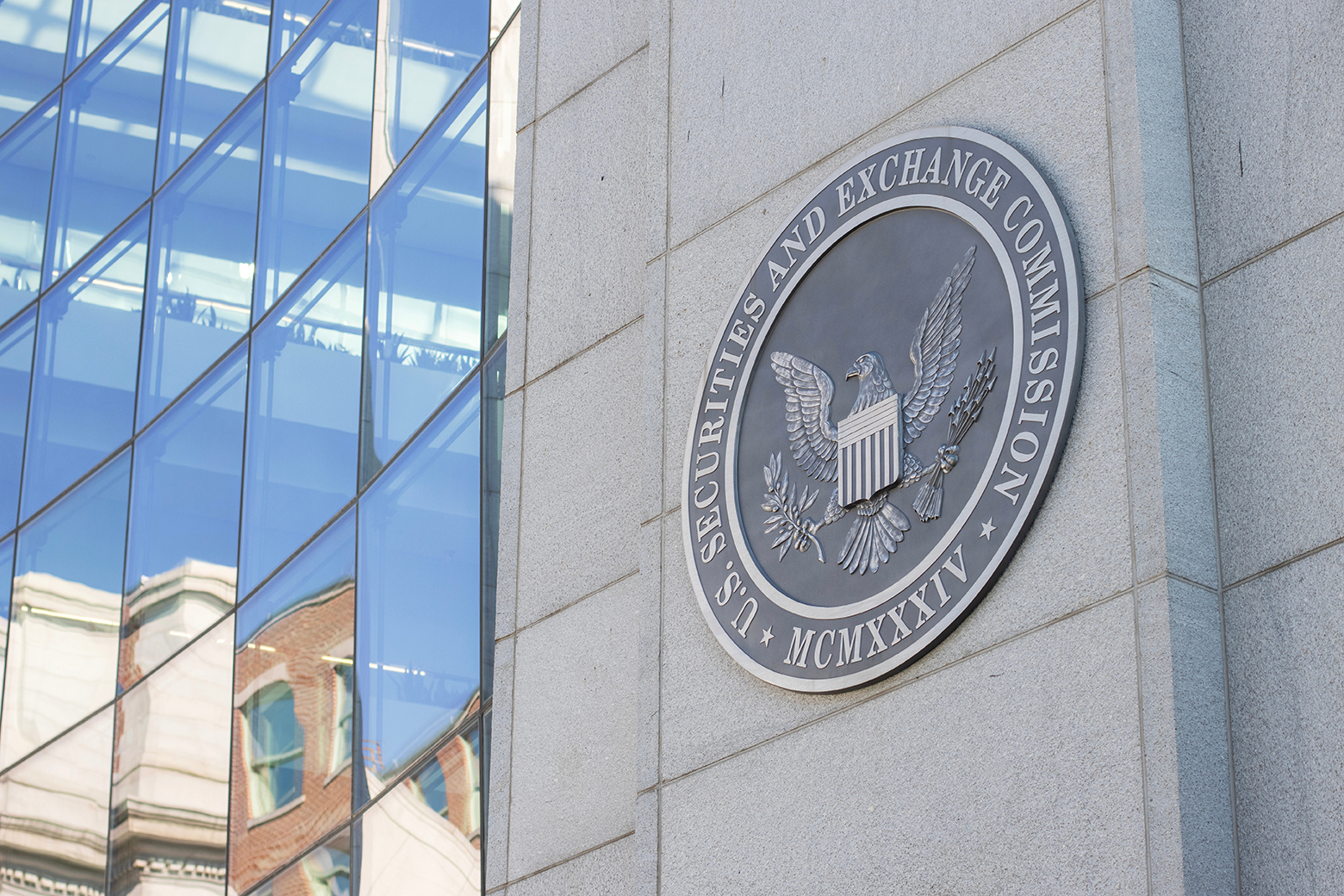
SEC Exam Priorities for Q4 2026: Reg S-P, Alt Investments & AI

Should financial advisors resign while under investigation? (What Actually Happens)

FINRA Panel Expunges Unauthorized-Trading Claim For Illinois Financial Advisor
When EXAMS opens an exam, its initial information request typically gives advisers about two weeks to produce documented evidence of their compliance program, cybersecurity governance included. The SEC’s new Exam Handbook says the staff usually provides two weeks and will grant reasonable extensions or rolling productions where appropriate. Firms with organized, time-stamped records meet that window without much friction. Firms relying on institutional memory or an untouched policy binder tend to struggle.
If your firm hasn’t yet built out a Reg S-P-compliant program, start with our step-by-step guide to the SEC’s cybersecurity rules. This piece picks up from there — what examiners actually test once the paperwork exists.
Key Takeaways for Compliance Officers
- EXAMS Audits Execution, Not Intent: Generic, untailored policies are a common source of deficiency findings. The SEC’s own Reg S-ID Risk Alert, for example, flagged programs built from unfinished templates.
- Amended Regulation S-P Demands Proof: The SEC’s 2024 amendments require a written incident response program, oversight of service providers (including due diligence and monitoring), and written records documenting compliance. Near-miss tracking isn’t a stated requirement, but it’s a practical way to show your program detects and responds. Compliance dates were December 3, 2025 for larger advisers and June 3, 2026 for smaller advisers.
- Outsourced Execution Is Not Outsourced Responsibility: Relying on a Managed Service Provider (MSP) doesn’t shift your oversight obligation. It requires documented, ongoing oversight.
1. Policy Artifacts over Static Documents
Rule 206(4)-7
Examiners look beyond a Written Information Security Program (WISP) manual to evaluate the active compliance lifecycle. Rule 206(4)-7 requires every SEC-registered adviser to review the adequacy of its policies and procedures, and the effectiveness of their implementation, at least annually. A policy dated two years ago with no documented reviews is likely to draw scrutiny.
- The Gap: Treating the annual review as an unrecorded reading exercise.
- The Fix: Maintain a dated review memo, board minutes, or a compliance log with substantiation detailing specific policy updates made during the examination period.
2. MSP Oversight and Third-Party Risk
Amended Regulation S-P
Delegating IT administration to an MSP doesn’t relieve an adviser of its own responsibility under Regulation S-P. The 2024 amendments require written policies and procedures for oversight of service providers, including due diligence and monitoring. The compliance dates were December 3, 2025 for larger advisers (generally those with $1.5 billion or more in assets under management) and June 3, 2026 for smaller advisers. Both are now in effect.
- The Gap: Lacking a detailed inventory of external entities with system or customer data access.
- The Fix: Maintain a centralized vendor directory detailing initial due diligence, access privileges, contractual protections, executed Service Level Agreements (SLAs), and annual due-diligence continued evaluation.
3. Incident Logs and Near-Miss Tracking
SEC FY2026 Exam Priorities
The Division’s fiscal year 2026 exam priorities identify cybersecurity, including incident response and recovery, as a focus area. An incident log with no entries can raise questions about whether your firm is detecting and recording events, so examiners may probe it. Logging suspected events and near-misses helps show your program works.
- The Gap: Logging only severe data breaches while ignoring unauthorized access attempts, system anomalies, or phishing events.
- The Fix: Log all security incidents and suspected events alongside tabletop exercise results, post-incident reviews, and remediation actions.
4. Identity Theft & Access Management
Regulation S-ID & MFA
Examiners also look at access controls, including MFA, to confirm your data protection policies are actually enforced. SEC-registered advisers that offer or maintain covered accounts are subject to Regulation S-ID. The SEC’s Risk Alert on Reg S-ID examinations found programs that were generic or built from unfinished templates, and programs that weren’t updated after significant changes, such as adding online account access or merging with another firm.
- The Gap: Claiming Multi-Factor Authentication (MFA) is active without system configuration evidence.
- The Fix: Export system-generated MFA deployment logs across all cloud repositories and document identity theft red flag reviews under Regulation S-ID.
Examination Readiness Matrix
This matrix is AdvisorLaw’s summary of common examination focus areas and the evidence that typically supports them. It is not an SEC-published checklist.
|
Examination Priority Area |
Frequent Deficiency |
Required Audit Evidence |
|
Annual Review |
No written proof of annual evaluation |
Dated CCO review memo & risk assessment |
|
Vendor Management |
Unmonitored third-party MSP access |
Vendor inventory & annual due-diligence files |
|
Incident Response |
Blank incident log / untested plan |
Incident log (including near-misses) & tabletop test records |
|
Access Control |
Unverified MFA implementation |
System-generated MFA configuration exports |
How AdvisorLaw Helps Your Firm Prepare for an Examination
- Technology — Managed Defense: daily scanning for missing patches, antivirus status, and workstation encryption, plus always-on endpoint monitoring and threat hunting across your firm’s devices.
- People — Human Firewall: interactive security awareness training and periodic simulated phishing campaigns, designed to build lasting security habits and reduce human error.
- Process — Policy Governance: ongoing WISP development and refinement, plus evidence-ready documentation, including hardware and PII asset inventories, user access and MFA reviews, and network and firewall checks.
Frequently Asked Questions
How much time do I have to respond to an SEC cybersecurity document request?
What does the amended Regulation S-P require of SEC-registered RIAs?
Does Regulation S-ID apply to my RIA?
Is an incident log with no entries a good sign during an SEC exam?
This post is for general informational purposes and isn’t legal advice. If you have specific compliance questions, consult qualified counsel.
Contact us today for a consultation and learn how AdvisorLaw can help safeguard your practice.
Engage with our experts today!