


RIA Valuations in 2026: How to Maximize Your Sale Price in a Cooling Market
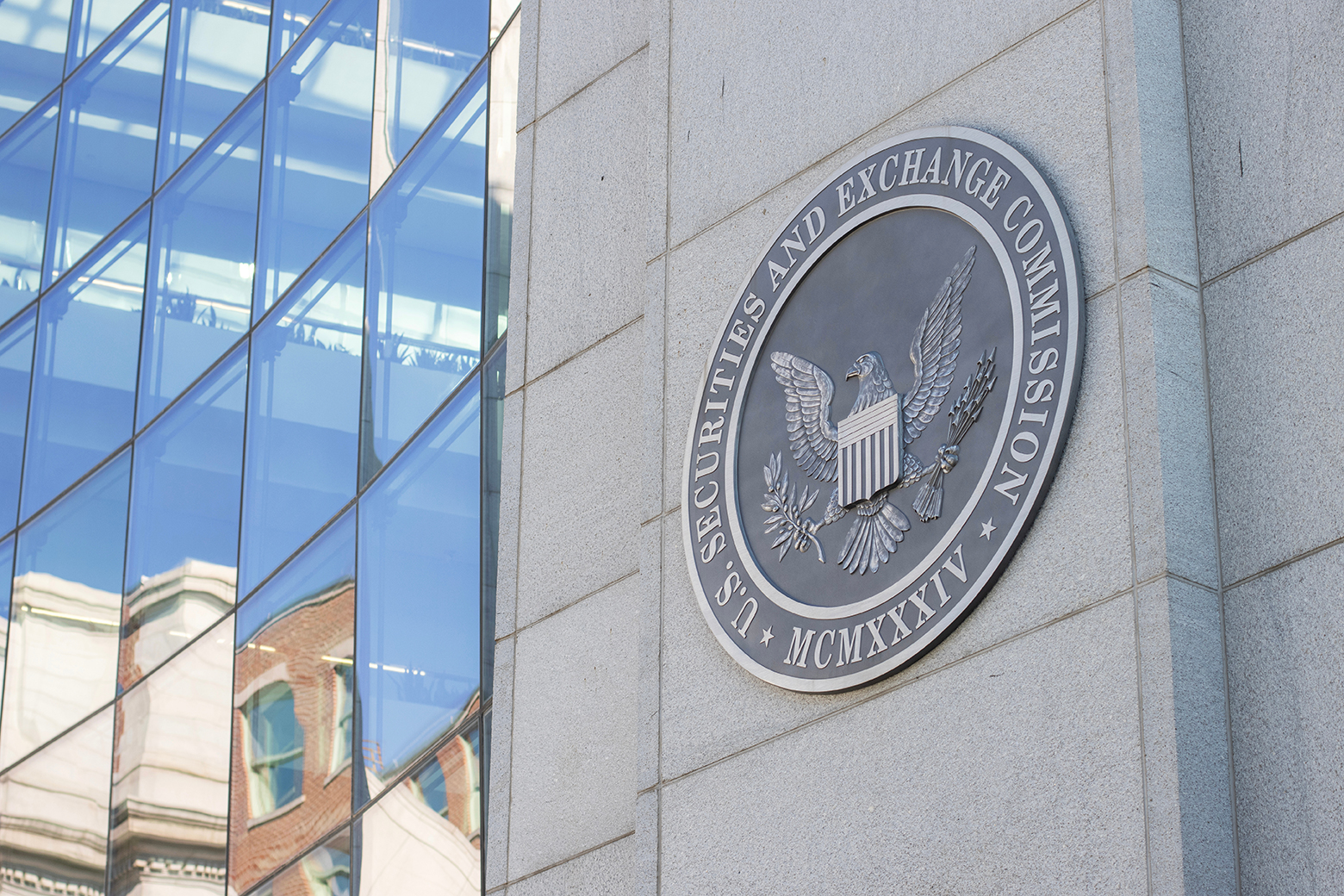
SEC Exam Priorities for Q4 2026: Reg S-P, Alt Investments & AI

Should financial advisors resign while under investigation? (What Actually Happens)

FINRA Panel Expunges Unauthorized-Trading Claim For Illinois Financial Advisor

FINRA Panel Expunges Erroneous Unsuitability Claim For Veteran Michigan Financial Advisor
Quick Summary: 2026 RIA Form ADV Filing Guide
- 2026 Deadline: Registered Investment Advisers (RIAs) must file their Form ADV Annual Updating Amendment by March 31, 2026.
- Key Focus Areas: Regulators are prioritizing 2026 examinations on AI disclosure ("AI Washing"), Regulation S-P compliance, and Regulatory Assets Under Management (RAUM) accuracy.
- Top Risk: The #1 deficiency remains inconsistencies between Form ADV Part 2A disclosures and actual Client Advisory Agreements.
- Cybersecurity: Firms must disclose material cyber incidents and demonstrate robust operational resiliency and vendor oversight.
- Fiduciary Duty: Boilerplate conflict disclosures are being flagged; the SEC requires "sufficiently specific facts" to ensure informed client consent.
Dissecting the 2026 Examination Priorities: A Roadmap for RIAs
The March 31, 2026, Form ADV filing deadline is a critical moment of heightened regulatory scrutiny for registered investment advisers (RIAs). Regulators, including the SEC and state authorities, use this mandatory, annual update to cross-reference your disclosures with real-world practices and their broader examination priorities.
For RIAs, filing your Form ADV Annual Updating Amendment (due within 90 days of your fiscal year-end, which for many is March 31st) is your firm's most important public disclosure and a major compliance checkpoint.
Based on recent guidance and examination priorities, here are five key areas where regulators are focusing their attention this ADV season.
1. Inconsistencies Between Form ADV & Client Documents
The number-one, and often easiest, deficiency for regulators to spot is a lack of cohesion between your official disclosures and your client-facing materials. Regulators are looking for the story you tell on your Form ADV to perfectly match the story you tell your clients.
The Scrutiny:
- Fees & Compensation: Do the fee schedules and compensation methods listed in Part 1A (Item 5.E) and Part 2A (Item 5) match what is detailed in your client advisory agreements? Regulators frequently find miscalculated fees, undisclosed fees, or different rates being charged than those disclosed.
- Services & Authority: Do the services listed in your firm's brochure (Part 2A) and the discretionary authority you check on Part 1A align precisely with both the language in your client contracts and your actual practices?
- Outside Business Activities (OBAs): Is every OBA for you and your investment adviser representatives (IARs) listed in Part 1A (Item 6), discussed in Part 2A (Item 10), and up to date on Form U4? Undisclosed or inconsistent OBAs are a top deficiency.
Your Action Item:
- Run a consistency check. Treat your ADV, your client contracts, and your marketing materials as a single, unified set of disclosures.
2. Fiduciary Duty & Conflict-Of-Interest Disclosure
Advisers' fiduciary duty remains a cornerstone of SEC and state examination priorities. Form ADV is the primary document used to assess how you identify, disclose, and mitigate conflicts.
- Conflict Specificity: Generic or boilerplate language in your Part 2A disclosure about conflicts is a red flag. Regulators are looking for “sufficiently specific facts” that allow clients to understand and give informed consent. For example, simply stating that you “may recommend affiliated brokers” is not enough—you must describe the conflict, the benefit you receive, and how you mitigate the risk.
- Recommending Account Types: If your firm recommends brokerage accounts (Reg BI) alongside advisory accounts (fiduciary), your Form ADV must clearly disclose potential conflicts and the process you use to determine which account type is in the client's best interest.
- Principal Trades/Agency Crosses: If your firm engages in these activities, the disclosure in Part 2A (Item 11) must be precise, and your written policies must detail how you ensure informed consent and compliance with all rules.
- Review your Part 2A disclosures for vague language. Make sure every potential conflict is clearly explained and that your mitigation steps are documented and implemented.
3. Cybersecurity & Operational Resiliency
In an increasingly digital landscape, the protection of client data and the ability to continue operations during a disruption are major concerns for regulators. While the ADV is not a full policy document, it does require disclosure related to these risks.
The Scrutiny:
- Cyber Incident Disclosure: You are generally required to disclose cybersecurity incidents in your ADV update, if they are material and affect client information or your firm's operations. Regulators are reviewing the adequacy of these disclosures.
- Custodian & Vendor Oversight: Your ADV must reflect accurate information about third-party custodians and sub-advisers. Regulators are also reviewing whether RIAs have robust written policies and due diligence processes for all third-party vendors who have access to client data (as part of the broader examination process).
- Ensure that your ADV reflects any recent, material cybersecurity incidents and that your business continuity plan (BCP) is current and covers operational disruption risks.
4. Accuracy Of Regulatory Assets Under Management (RAUM)
RAUM is a key metric that determines whether an RIA is registered with the SEC or a state, as well as the amount of the IARD filing fee. Regulators are scrutinizing RAUM calculation methodology.
The Scrutiny:
- Calculation Methodology: The SEC wants to know that you are calculating RAUM strictly according to the Form ADV instructions. Common errors include: deducting client liabilities or leverage, including assets for which you do not provide continuous and regular supervisory or management services, or using an incorrect valuation date.
- Part 1A vs. Part 2A: RAUM reported in Part 1A (Item 5.F) must be consistent with the narrative disclosure of services provided in Part 2A (Item 4).
Your Action Item:
- Determine your RAUM calculation (as of December 31st, 2025), and retain detailed backup documentation that shows your methodology, the data source, and the final number.
5. Emerging Technology & Digital Engagement Practices (AI/Fintech)
The Scrutiny:
- AI & PDA Disclosure: If your firm uses algorithms, predictive data analytics (PDA), or AI to inform investment advice, regulators want to see how that's disclosed to clients and how you're mitigating conflicts that might arise from optimizing your own interests over the client's.
- Marketing Rule Alignment: If you're leveraging technology for marketing, ensure that your client testimonials, hypothetical performance, and other digital promotions comply with the new marketing rule and are consistent with what's disclosed in your ADV.
Your Action Item:
- If you've adopted new tech, review your disclosures to ensure that they accurately describe the tools and processes and clarify how you manage any related conflicts.
The Takeaway: Precision & Consistency
The Form ADV annual update is more than an obligation—it’s a full-scale compliance inventory. On simple thread connects all of these scrutiny areas: inaccuracy and inconsistency create regulatory risk.
A detailed, pre-filing review by a compliance professional is the most effective way to ensure that your ADV is not the document that triggers your next examination.