

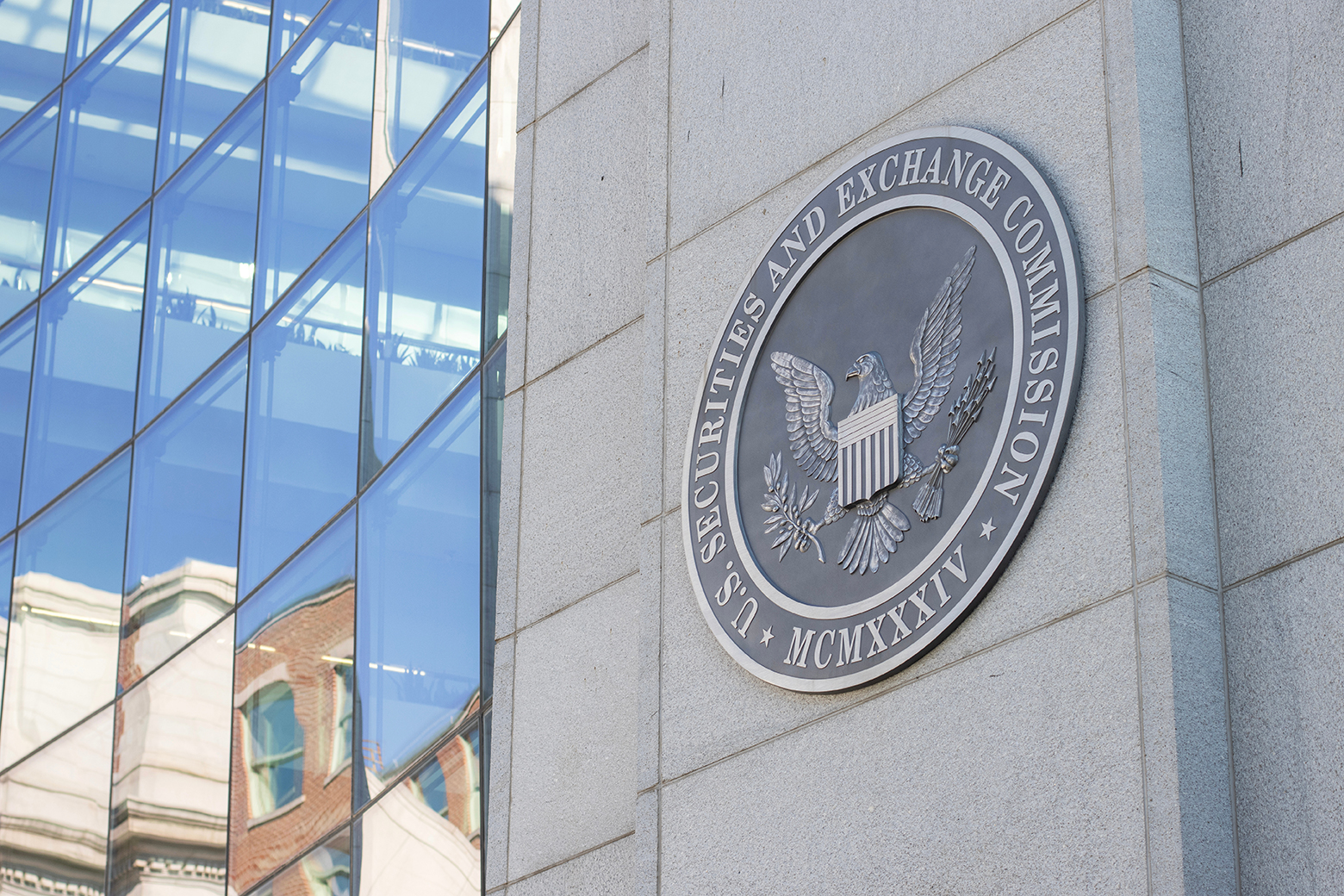
SEC Exam Priorities for Q4 2026: Reg S-P, Alt Investments & AI

Should financial advisors resign while under investigation? (What Actually Happens)

The SEC’s New Digital Asset Framework: What RIAs Should Be Thinking About

Succession Planning: Why A “Wait-and-See” Strategy Could Cost You Millions In Valuation

The AI Washing Trap: SEC Marketing Rule Guide for RIAs
For a startup RIA or a growing firm, the choice of custodian is one of the most critical decisions you will make. This choice dictates your operational efficiency, technology stack, and regulatory risk. Finding the best custodian for a small RIA requires balancing low costs and integrated technology with robust compliance oversight.
1. Setting the Stage: Understanding the RIA Custody Rule
Before comparing providers, every RIA must understand the basic framework: the SEC’s Custody Rule (Rule 206(4)-2). This rule generally applies when an RIA has physical possession or access to client funds or securities.
- Custody Definition: Most RIAs only have "limited custody" (e.g., the ability to deduct advisory fees). However, if your firm has the authority to withdraw assets for purposes other than fee deduction, the rule's full requirements—including independent verification and surprise examinations—may apply.
- The Custodian's Role: The qualified custodian (e.g., Schwab, Fidelity, TD Ameritrade/Schwab, BNY Mellon) is primarily responsible for holding client assets and sending quarterly statements directly to the client.
2. RIA Custodian Comparison: What Criteria Matter?
When you compare RIA custodians, especially when evaluating the best custodian for a startup RIA, you must look beyond brand recognition and focus on operational fit and compliance support.
Operational and Technological Fit
| Criteria | Description | Importance for Compliance |
| Technology Stack | Integration with your CRM, financial planning software, and reporting tools. | Streamlines record-keeping, a core compliance function. |
| Costs and Fees | Custodial transaction fees, platform fees, and minimum asset requirements. | Directly impacts the "best execution" analysis and fee disclosure. |
| Service and Support | Ease of access to dedicated service teams and transition support. | Critical for resolving operational issues that could lead to compliance breaches. |
Compliance and Risk Management Support
- Cybersecurity Protocols: What firewalls and encryption standards does the custodian use to protect client data? This directly mitigates your firm's risk exposure.
- Regulatory Reporting: Does the custodian provide easy access to data needed for Form ADV and other regulatory filings?
- Best Execution Support: Does the custodian facilitate the aggregation and allocation of trades transparently, helping you meet your best execution obligations?
3. Multi-Custody Strategies: Addressing Complexity
As firms grow past the $500 million AUM threshold, many adopt a multi-custody approach. This is the foundation of RIA Custodian Comparison for larger firms.
Why Choose Multiple Custodians? (PAA)
- Can RIA have multiple custodians? Yes. RIAs with significant AUM often find that no single custodian can perfectly address the diverse needs of all their clients.
- Why is multi-custody better for independent RIAs? Multi-custody allows an RIA to serve a larger share of the market by leveraging specialized platform tools, unique investment access, or specific trust capabilities offered by different institutions. It provides flexibility and a continuity option if issues arise with one provider.
Compliance Caveats and Risk Mitigation
While the flexibility is valuable, the use of multiple custodians introduces complex compliance risks:
- Fee Aggregation and Breakpoints: You cannot use multiple custodians to unfairly disadvantage a client. Fee breakpoints (e.g., a tiered fee that lowers at $1 million AUM) must be calculated based on the client’s total assets held across all custodians. The RIA must aggregate these assets to ensure the client receives the lowest applicable fee.
- Best Execution and Trade Aggregation: Trading across multiple platforms complicates your duty of best execution. RIAs cannot easily aggregate trades or rebalance accounts among different custodians, requiring rigorous tracking and documentation to prove clients received the best execution price possible.
- Conflict of Interest Disclosure: Any indirect financial benefits received by the RIA (e.g., "custodian platform support" like technology or discounted rates) that incentivize using one custodian over another must be fully disclosed to clients, especially in light of the renewed focus on conflicts under the SEC's Fiduciary Duty standards.
4. Your Top Custody Questions Answered (PAA)
Can you have more than one custodian on a custodial account?
No. Each custodial account (e.g., an individual retirement account or brokerage account) can only be held by one qualified custodian (one firm like Fidelity or Schwab). However, an RIA firm can manage accounts held at different custodians for the same client.
Who is the best custodian for RIA?
There is no single "best custodian." The ideal custodian depends entirely on your firm’s size, business model, and client needs.
- For a startup RIA, the best choice often offers low or zero platform fees, robust technology integration, and excellent transition support.
- For a multi-custody RIA, the best providers offer specialized services that complement each other (e.g., one for traditional brokerage and one for private equity access). The decision is rooted in a detailed RIA custodian comparison tailored to your firm.
Achieve Compliance Confidence: Partner with AdvisorLaw
Choosing your custodian(s) is an intrinsic part of your compliance framework. Whether you are seeking the best custodian for startup RIA needs or managing the complexities of multi-custody, meticulous compliance and risk management are non-negotiable.
AdvisorLaw provides custom, expert guidance on RIA custody rule compliance, risk mitigation, and best practices for managing your custodian relationships.
Learn more about RIA custodian compliance support and ensure your operational excellence matches your regulatory standards.
Engage with our experts today!