

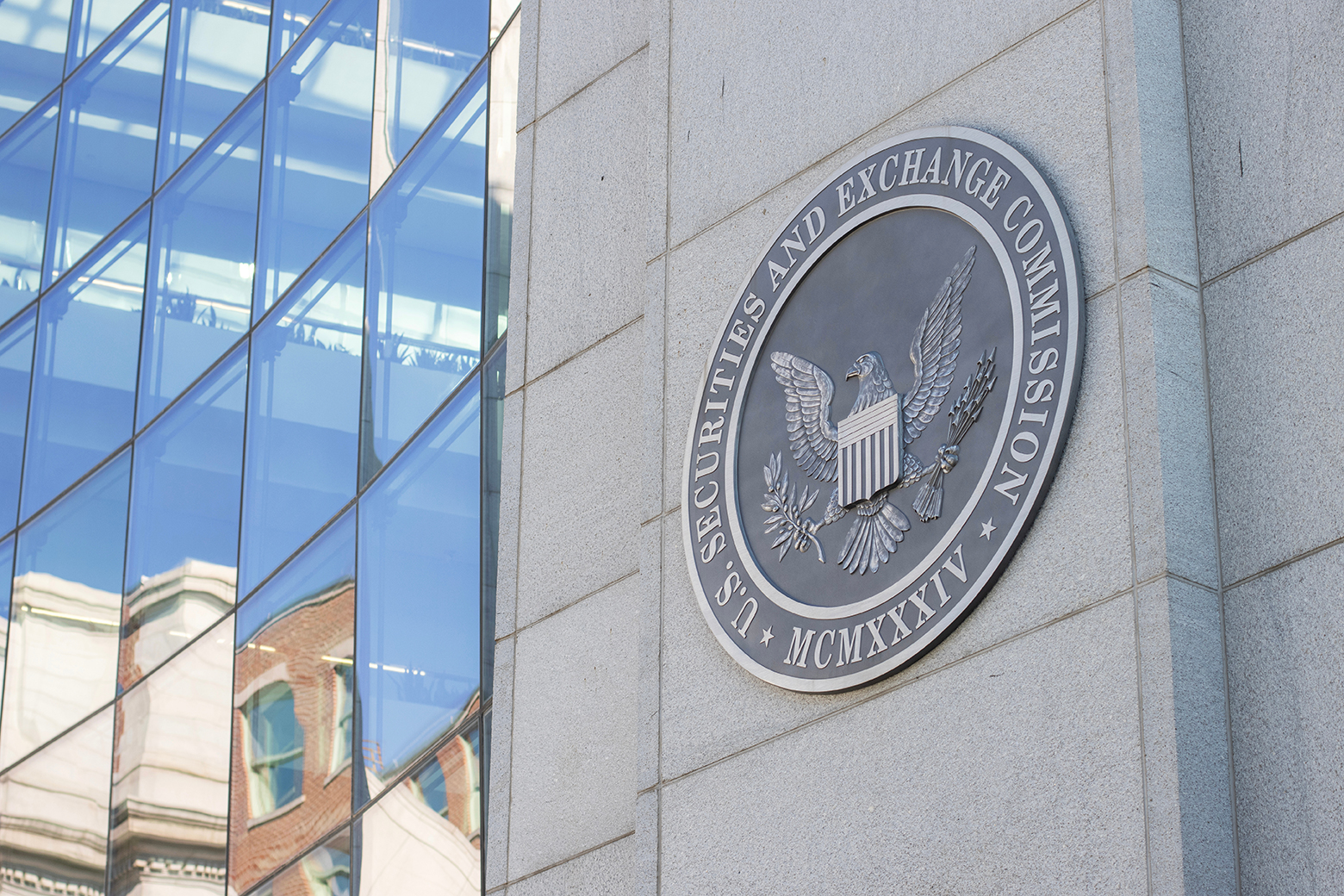
SEC Exam Priorities for Q4 2026: Reg S-P, Alt Investments & AI

Should financial advisors resign while under investigation? (What Actually Happens)

The SEC’s New Digital Asset Framework: What RIAs Should Be Thinking About

Succession Planning: Why A “Wait-and-See” Strategy Could Cost You Millions In Valuation

The AI Washing Trap: SEC Marketing Rule Guide for RIAs
To make sure that your next growth move is built on solid ground, compliance attorney Michelle Atlas-Quinn, J.D., from AdvisorLaw, teamed up with the Financial Experts Network. This intensive continuing education (CE) course provides a comprehensive roadmap through the critical due diligence process required for a seamless wealth management acquisition.
Watch the On-Demand Webinar
The Core M&A Pillars for Financial Advisors
- Strategic Compatibility: Evaluating whether the target firm’s investment philosophy, tech stack, and company culture align with your existing operational structure.
- Rigorous Financial Vetting: Dissecting profit margins, revenue stability (recurring vs. transactional), and conducting an objective, independent valuation.
- Compliance Risk Assessment: Auditing the target firm’s past regulatory disclosures, client complaints, and historical ADV filings to avoid inheriting legal liabilities.
- Structured Transition Planning: Designing a clear timeline for client re-papering, data migration, and staff integration to prevent asset attrition.
Key Takeaways: Mastering the Advisor Acquisition Process
1. Analyzing the Target Financials & Valuation
2. Vetting the Client Base & Cultural Fit
3. Legal Protection and Transition Architecture
From negotiating the initial letter of intent (LOI) to drafting the final buy-sell agreement, the legal framework of your deal dictates your level of risk. The webinar outlines best practices for structuring non-compete clauses, earn-out provisions tied to retention, and seamless client onboarding protocols that keep state and federal regulators satisfied.
Protect Your Growth Strategy
AdvisorLaw's dedicated M&A and compliance teams can help you audit target firms, structure watertight agreements, and make sure that your integration goes off without a hitch.
Ready to evaluate a potential acquisition or protect your firm during an M&A transition? Connect with the experts at AdvisorLaw today to streamline your practice.
Engage with our experts today!