


RIA Valuations in 2026: How to Maximize Your Sale Price in a Cooling Market

FINRA Panel Expunges Erroneous Unsuitability Claim For Veteran Michigan Financial Advisor
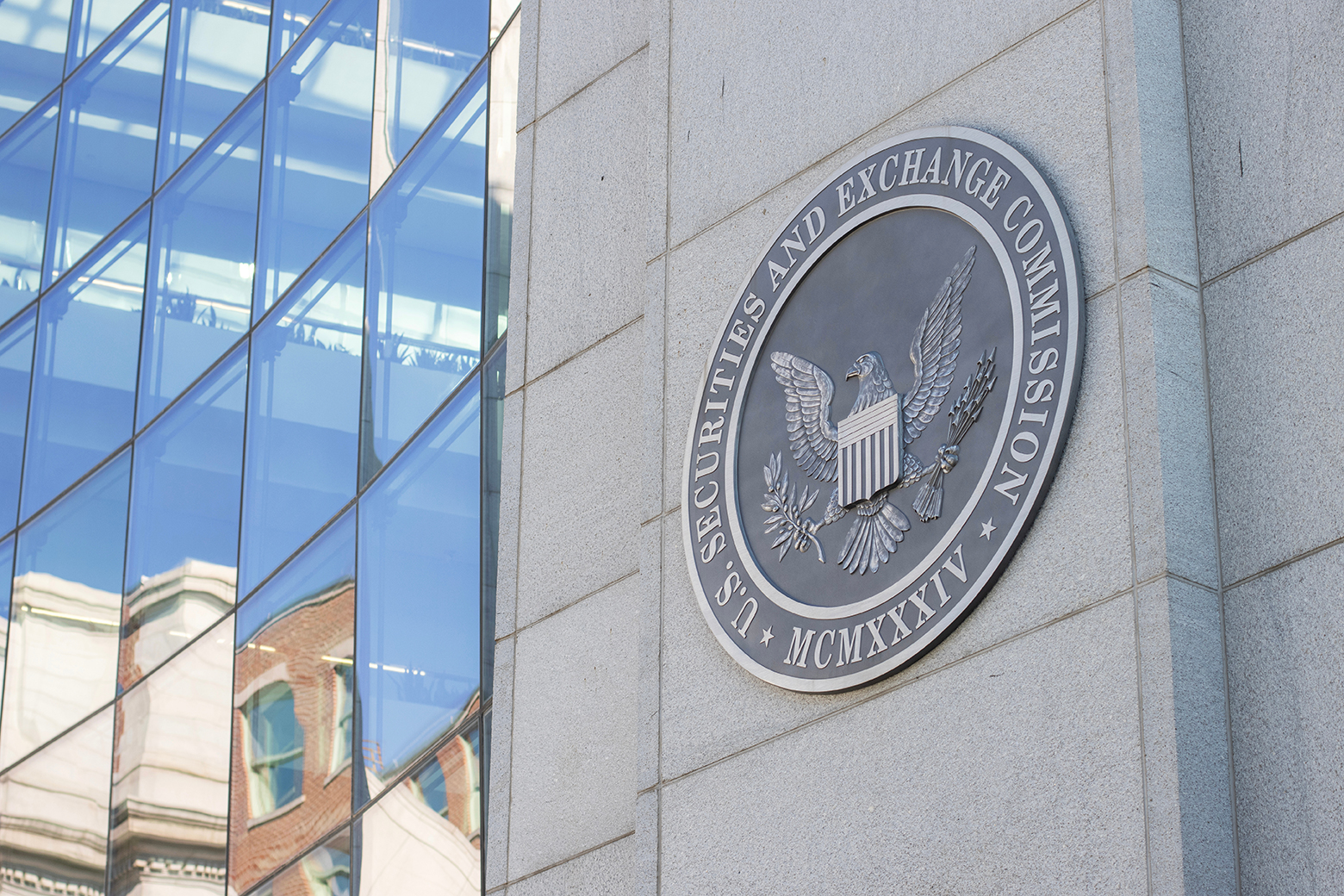
SEC Exam Priorities for Q4 2026: Reg S-P, Alt Investments & AI

Should financial advisors resign while under investigation? (What Actually Happens)

The SEC’s New Digital Asset Framework: What RIAs Should Be Thinking About
Quick Summary
- Case Outcome: A three-arbitrator FINRA panel unanimously granted the expungement of a 2021 customer dispute from a Honolulu-based advisor's record, restoring a 17-year unblemished career.
- Legal Finding: The Panel ruled the allegations were "false" under FINRA Rule 2080(b)(1)(C).
- The Allegation: The 2021 claim alleged unsuitable recommendations related to a private placement fund (GPB Capital Holdings II, LP) that was later revealed to be a $1.7 billion issuer-level fraud.
- Key Evidence: The customer involved provided a sworn affidavit supporting expungement, admitting the allegation was a "false disclosure" and acknowledging the investment was suitable for her profile at the time of purchase.
- Arbitration Ruling: The Panel found the advisor had no involvement in the issuer fraud and that the investment represented only 4% of a client’s portfolio, aligning perfectly with her aggressive risk tolerance and 10-year horizon.
Case Objective:
A dedicated financial advisor in Honolulu, Hawaii with over 17 years of unblemished service in the securities industry pursued FINRA arbitration to erase a baseless 2021 customer dispute from his CRD and BrokerCheck records. The disclosure stemmed from a settled claim alleging unsuitable recommendations in a private placement fund that later unraveled due to issuer fraud—not advisor misconduct. Backed by HLBS Law, the advisor aimed to clear this unwarranted stain, which had lingered like a shadow over his otherwise spotless professional reputation, despite no client harm, no regulatory findings, and even the customers’ own remorseful support for its removal.
Summary:
The advisor embarked on his securities career in March 2008. He transitioned to Ameriprise Financial Services, LLC in November 2014. That year, he welcomed a client through a referral from her sister and sister’s husband. The client was a retired postmaster in her early 60s with over 20 years of investment experience. She sought alternatives to her conservative portfolio. She had an annual income of about $90,000, liquid net worth of $1.25 million, and total net worth of $3.4 million. Her objectives leaned toward growth with aggressive risk tolerance. She had no immediate liquidity needs and an investment time horizon exceeding ten years.
In May 2017, after thorough discussions and profile assessments, the advisor recommended GPB Capital Holdings II, LP (the “GPB Fund”), a private placement aligned with her stated goals. The client invested $50,000—representing just 4% of her portfolio—while her sister and husband committed $100,000. All signed subscription documents, reviewed offering materials, and affirmed their understanding of the risks, including limited liquidity.
Tragedy struck when GPB’s issuers faced federal scrutiny: distributions halted in April 2018, followed by SEC investigations, FBI raids, and indictments revealing a $1.7 billion Ponzi-like scheme by executives—events entirely beyond the advisor’s control or foresight.
Solicited by mass-mail attorneys amid the scandal, the Customers filed a 2021 FINRA claim against Osaic, alleging unsuitability and seeking $180,000. The advisor was not named, contributed nothing to the $25,000 settlement in August 2022 (a nominal sum to avoid litigation costs), and received no copy of the agreement.
Regretful upon learning of the disclosure’s impact, the Customers provided sworn statements absolving the advisor, with the client admitting that it was her error and fully endorsing expungement. This false disclosure, unrelated to any advisor wrongdoing, threatened the advisor’s livelihood in an industry where trust is paramount, despite the investment’s initial suitability and the Customers’ own affirmations.
Resolution:
The advisor initiated his expungement claim on April 9, 2025. Osaic filed an answer on May 30, 2025, taking no position on the request but seeking to shift forum costs. Customers were duly served with pleadings and proof of service filed. The client submitted an email and sworn affidavit supporting expungement and describing the allegation as a “false disclosure.”
The three-member Panel convened a recorded videoconference hearing on November 20, 2025, in Honolulu, Hawaii. Neither Customers nor state regulators appeared, and no prior rulings on the matter existed. Reviewing testimony, pleadings, settlement documents (noting no advisor contribution or opposition conditions), and evidence—including the client’s affidavit—the Panel unanimously deemed the claim false under FINRA Rule 2080(b)(1)(C).
They found the GPB Fund suitable at inception, based on the Customers’ profiles and circumstances, with the client speaking for the group in retracting the allegation. The award mandates expungement of all references to the claim from the advisor’s CRD records. It clears a four-year-old mark born of external fraud, restoring the advisor’s record and enabling him to continue serving clients with integrity unmarred by misleading shadows.
Contact AdvisorLaw
Facing a similar situation? Contact our team today for a complimentary consultation to evaluate your case. Our experts will assess the viability of expungement and guide you through the process.