

RIA Valuations in 2026: How to Maximize Your Sale Price in a Cooling Market

FINRA Panel Expunges Erroneous Unsuitability Claim For Veteran Michigan Financial Advisor
SEC Exam Priorities for Q4 2026: Reg S-P, Alt Investments & AI

Should financial advisors resign while under investigation? (What Actually Happens)

The SEC’s New Digital Asset Framework: What RIAs Should Be Thinking About
The financial industry is witnessing a continued and intensified crackdown by the Financial Industry Regulatory Authority (FINRA) regarding electronic document signatures. A significant number of representatives are currently facing Form U5 terminations, Rule 8210 inquiries, and formal investigations for alleged violations related to digital authentication.
What began as a shift toward convenience during the remote-work era has evolved into a primary enforcement priority. FINRA is no longer just "warning" firms; it is actively penalizing advisors for what it deems "falsification," even in cases where no customer harm occurred.
FINRA’s Heightened Scrutiny of E-Signatures
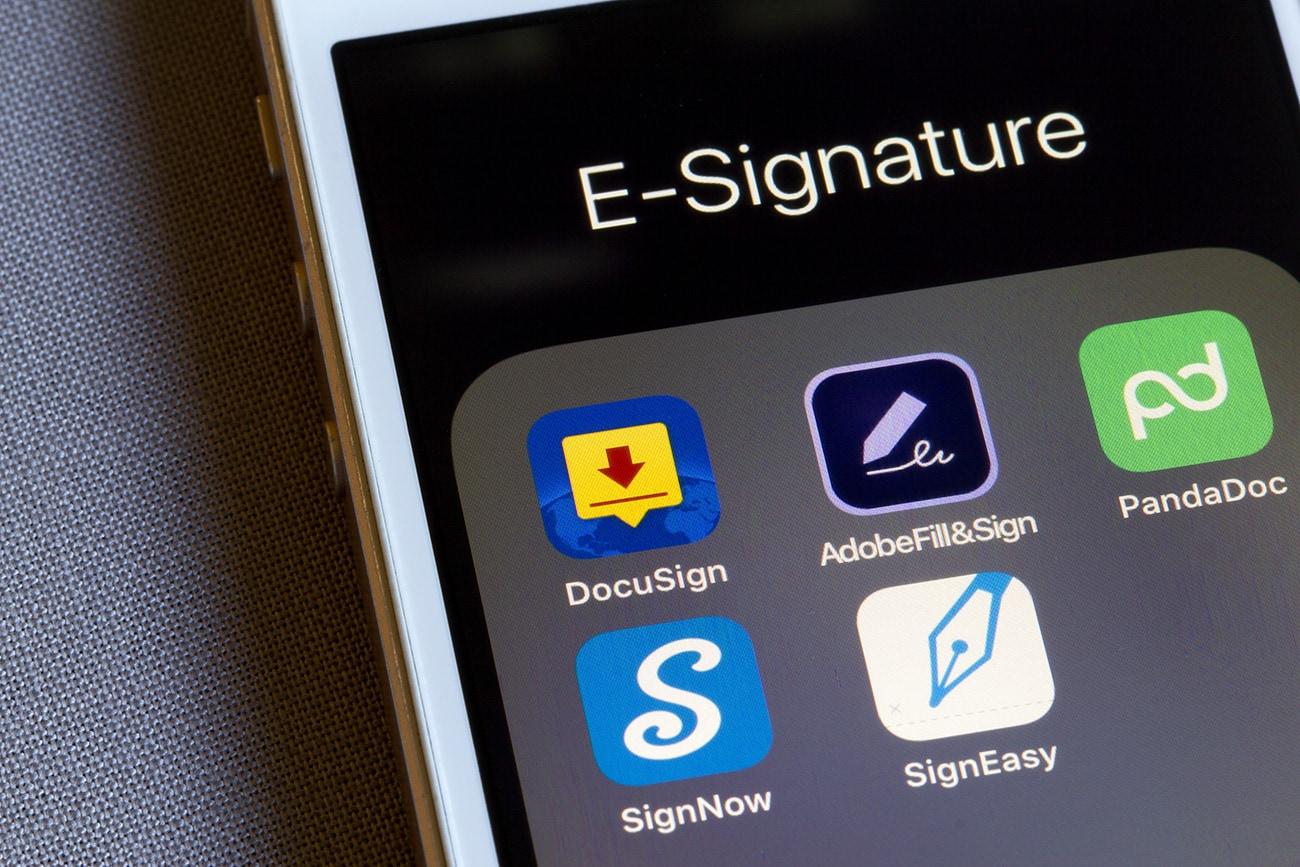
While digital tools like DocuSign have revolutionized business, they have simultaneously created an increased risk of forgery and falsification in the eyes of regulators. FINRA’s focus centers on maintaining high standards of commercial honor (Rule 2010) and accurate recordkeeping (Rule 4511).
Modern Methods of Detection
In 2026, FINRA and member firms utilize sophisticated digital forensics to monitor compliance. Key methods of detection include:
- IP Address Tracking: Firms routinely track the Internet Protocol (IP) addresses associated with digital signatures. If the IP address for the customer and the broker match, it triggers an immediate red flag for unauthorized signing.
- Email Redirection: Brokers sending e-signature links to their personal or "support" email addresses to sign on behalf of a client—even with the client's verbal consent—is a top trigger for Rule 8210 investigations.
- Support Staff Audits: Administrative staff are increasingly trained to identify and report "pressure" from brokers to manipulate e-signature processes.
The LPL Financial Precedent and DocuSign Controversies
One of the most notable examples of this enforcement trend involves LPL Financial. Several brokers, including those managing billion-dollar portfolios, were terminated for violations of document signature policies.
The core of the controversy lies in the "convenience vs. compliance" gap. Many advisors believed they were assisting clients who struggled with technology by signing on their behalf with express authorization. However, LPL and other firms have taken a hardline stance: any signature not physically or digitally executed by the client is a violation. AdvisorLaw’s Doc Kennedy, J.D., MBA, has been at the forefront of these cases, successfully negotiating Form U5 termination language for impacted brokers. Kennedy argues that ambiguous compliance manuals—which may mandate "original" signatures while simultaneously approving "e-signature" programs—create a trap for even the most well-intentioned advisors.
Differentiating Forgery from Rule 2010 Violations
It is vital to understand that FINRA’s definition of "forgery" is broader than most state criminal laws.
- Criminal Forgery: Typically requires an "intent to defraud."
- FINRA Rule 2010: Does not require intent to defraud. Any unauthorized signing, even if done solely to avoid customer inconvenience or "paperwork friction," is considered a violation of "high standards of commercial honor."
If you are flagged for an e-signature violation in 2026, the repercussions are swift. A termination for "falsification" on a Form U5 can effectively blacklist an advisor from the industry.
Steps for Protection:
- Immediate Legal Counsel: Do not respond to a Rule 8210 inquiry without expert defense.
- U5 Language Negotiation: The specific words used on your termination notice will dictate your employability for the next decade.
- Expungement: If the disclosure is defamatory or misleading, seeking expungement is the only way to protect your BrokerCheck and IAPD record.
How AdvisorLaw Safeguards Your Career
For advisors facing the fallout of an e-signature allegation, AdvisorLaw provides the specialized legal expertise required to fight back. Our team, led by Doc Kennedy, J.D., MBA, focuses on defending brokers under FINRA Rule 8210 and navigating the complexities of the U5 termination process.
Don't let a "convenience" signature end your career.
Contact us today for a complimentary consultation.
Engage with our experts today!